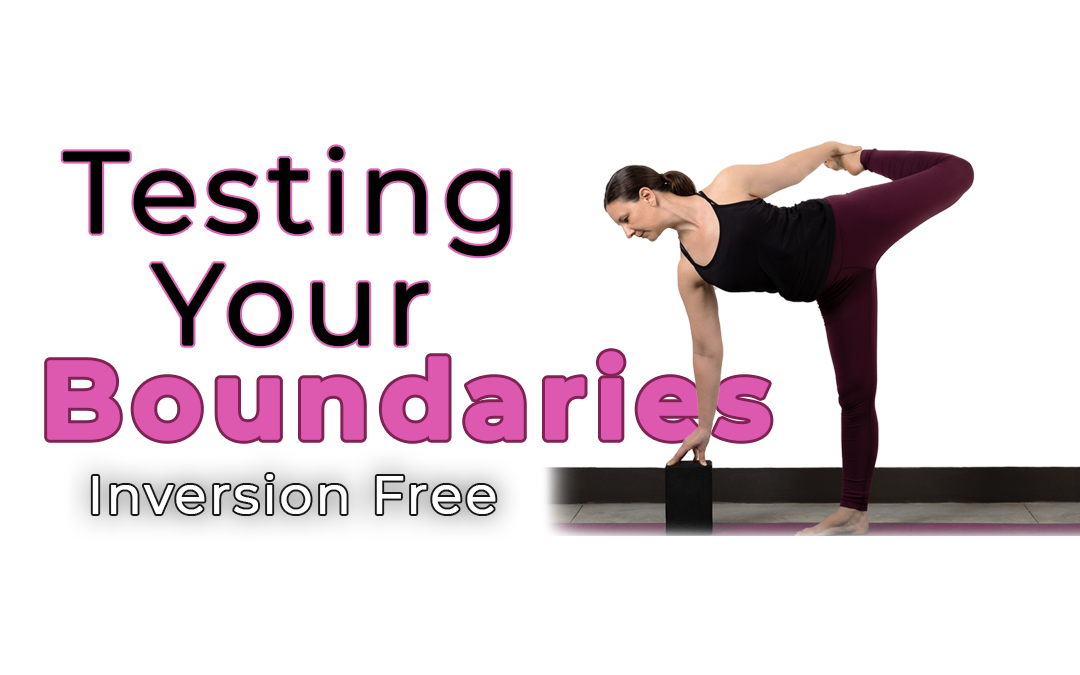
Testing Your Boundaries tests your balance, strength, flexibility, AND your mind body connection. This vinyasa flow is for ANYONE looking to test their boundaries even if you’re NOT Inversion Free.
This explores playing between easy & hard and finding your greatest length before snapping. Notice what your mind thinks compared to what your body can do. The saying “Mind Over Matter” applies here. Do your best not to push beyond what you can handle, instead, bring yourself right up to it and take notice of what comes up emotionally and mentally.
Come back to this practice often to see how your boundaries change over time.
Good for experienced and seasoned practitioners or Newbies who love a challenge.
Enjoy! Be well. Remember to breathe. ????????Namaste my friends????????
Happy Healthy Hamstrings & Core Vinyasa Flow in 1 hour
Work Ya Waistline 1hr 23min Vinyasa Flow to strengthen/lengthen your waist.
Inversion Free Yoga: Core Focus in 23 Minutes
«
Prev
1
/
2
Next
»
Many of you asked for Toning and Weight Loss videos, especially with quarantines and lockdowns in play.
And here we are! I will be adding more videos to this playlist, so check back often.
Some of these practices are Inversion Free but not all. If you are an Inversion Free practitioner make sure you see the words “Inversion Free” either on the image or in the description.
Be Well. Remember to Breathe. ????????Namaste my friends????????
A NOTE ON “YOGA for WEIGHT LOSS”: Practicing yoga alone is not a weight loss remedy. When used in combination with healthy habits off the mat it can be a great help. Especially to lower stress levels and find a deeper connection with yourself; physically, emotionally, mentally, and spiritually. You can indeed get your heart rate up with some practices, you can sweat, strengthen, tone, detox, and burn calories. To be quite honest, I don’t love using this term, but it’s a VERY high ranking SEO term; meaning people search it A LOT. I’m using it to direct more people to become aware of their mind body connection while working into a healthier lifestyle. ????
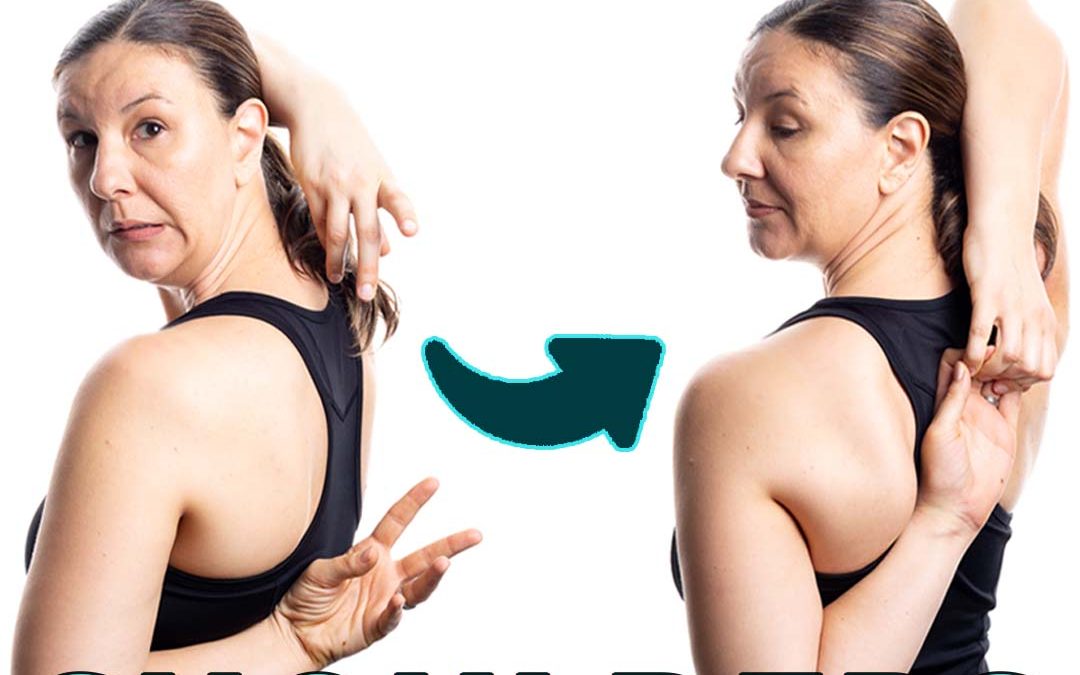
Welcome to this shoulder opening practice addressing arm positions found in Warrior 1, Downward Facing Dog, Cow Face, and Eagle by working on Flexibility in the chest, armpits, and shoulders.
Stretches for the armpits, triceps, chest, front of the shoulders, and in between the shoulder blades are targeted to help open those tight, stiff shoulders. All done with the wall and a yoga strap to stay Inversion Free.
Helpful Prop: a yoga strap or object that resembles it.
This area of the body happens to be where the heart chakra and throat chakra reside. So if you’re feeling indifferent or less creative, resistant or unresponsive these chakras will benefit from a shift in energy.
Opening the shoulders and chest is exactly what they need for you to feel more receptive, to tap into your creative juices, and allow for more compassion in your day.
Good for everyone. Especially if you have tight shoulders. ????
Enjoy! Be well. Remember to breathe. ????????Namaste my friends????????
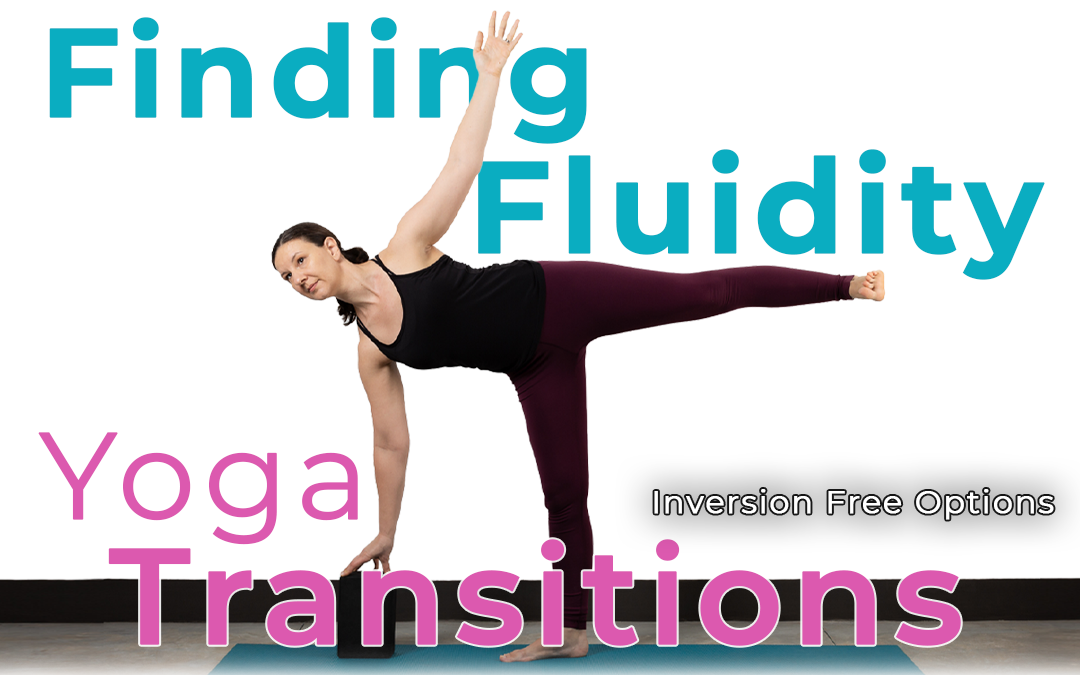
Finding Fluidity in Yoga Transitions is a way to make your Vinyasa practice seamless. So let’s work on it together in this vinyasa flow with Inversion Free Options.
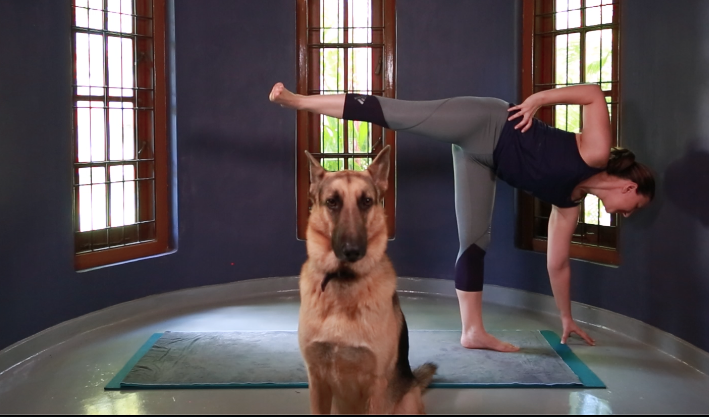
Are you struggling to find your Half Moon Balance (Ardha Chandrasana) moving from Warrior 2? This How To video will help you prepare for this transition and strengthen your ability to balance in a sideways position.
In the second half of this How To, I’ll cover moving in and out of Chapasana as well.
Enjoy! Be well. Remember to breathe. ????????Namaste my friends????????
Please note: Links included in this description might be affiliate links. If you purchase a product or service with the links that I provide I may receive a small commission. There is no additional charge to you! Thank you for supporting me so I can continue to provide you with free content.
As I sat down to write all about the Basics of the Bandhas in a Yoga Practice, I wound up leafing through my notes from my initial yoga training that was 10 years ago. While I have great memories of those times, the actual application of the material has been vital in my growth as a yoga practitioner and as a yoga teacher. I’ll share with you what I have learned about the bandhas and currently implement in my own personal practice.
I’m going to do my best here to keep my explanation simple; if you know me, you know this is no simple feat. I’ll cover the why’s and how’s of the most commonly used Bandhas in a yoga practice.
Okay, here we go.
Bandhas are defined as “to lock, to hold, to stop”. This refers to locking, holding, or stopping energy with physical connections. Along the spine, there are three used to direct the flow of energy. My beautiful notes from ten years ago say this, “(Bandhas) work like the heart valve to keep energy in and moving up and don’t let it back out.” This phenomenon is ultimately responsible for the ‘zen’, calm feeling when you are finished with your practice. In a nutshell, they help ‘ya feel good.
Let’s go over these three bandhas.
Note: Bandhas should not be practiced by pregnant women. Those of you with eye pressure issues and/or cardiac issues should stay away from any breath retention (holding the breath).
The first one is called Mula Bandha (Moo-lah Bond-ah) and it’s location is the pelvic floor. It’s the root lock as it’s at the base of the spine. The engagement of this bandha is very similar to Keigel exercises. It’s those muscles you use to stop the flow of urine plus you have to contract your anus (like you’ve gotta go to the bathroom NOW but there’s no where to go). Mula bandha engagement keeps the energy from falling out. It’s used in asana practice, like a Hatha or vinyasa, in poses like Tadasana (Mountain Pose), Urdvha Dandasana (Wheel Pose), Sirsasana (Headstand), Paschimottanasana (Seated Forward Fold with extended legs), etc.. Oh—and every other pose during the entire practice. Yep, the whole thing!
Moving up the spine the next bandha is Uddiyana Bandha (Oo-dee-ayn-na Bond-ah) and it’s located in the belly. This bad boy of a bandha is by far the most frequently mentioned bandha of the three. There are two engagements; subtle and full.
The subtle engagement of Uddiyana Bandha is a gentle pulling up and in of the belly toward the spine. From an anatomical perspective think about Pilates’ “Powerhouse”. The main muscles that create the Powerhouse are the rectus abdominis, the obliques, transverse abdominis, diaphragm, multifidus, gluteal group (your bum), the pelvic floor, and the psoas. When your movement teacher says one of these cues, “Pull the belly up and in”, “Scoop the belly in and up”, or “Hollow out the belly”, they are referring to Uddiyana Bandha with this subtle engagement. If you’ve taken any of my classes, you’ve heard me say these cues A LOT.
Energetically speaking, this bandha moves the energy from the lower abdomen upward toward the head. Physical benefits of this bandha provide support for your spine, hips, standing balances, and overall stability.
Now the full engagement of Uddiyana Bandha is done with the purpose of cleansing, toning the abdominals, and massages the internal organs. Sounds intense, right? I promise it’s not that bad. Instead of grabbing milk of magnesia or the pink stuff, try Uddiayana Bandha. It stimulates your digestive juices to help remedy stomach ailments. It also balances the adrenal system, relieves stress and can pep you up. (Remember, this bandha moves energy upward).
Here’s how you do the full engagement but before we get into it…it’s best to learn this in person with an instructor if possible.
Full engagement is done on an empty stomach and empty bladder. (????Super important.) Start standing in Tadasana, feet hip width apart, hands on the hips. Inhale deeply. As you exhale, bend the knees slightly, hands to the thighs, elbows out, and let the belly soften outward. Once ALL the air is out, suck your belly up and in toward the spine and up under your ribs. Hold your breath. When you need to inhale, FIRST release the belly then take your inhale through the nose, keep the hands on the thighs. On your NEXT inhale gently come to full standing position, Tadasana, and go for another round.
✨This can be repeated up to six times. ✨Wait about 15 minutes before eating or drinking so your belly can benefit from the exercise.
The last of the bandhas along the spine is Jalandhara Bandha (Jah-lan-harra Bond-ah) located in the throat area. This seals the energy lock from tail to skull; the length of the spine. Jalandhara Bandha can be considered the lock that controls the flow of energy in the nerves and blood vessels of the neck as it engages the medulla oblongata.
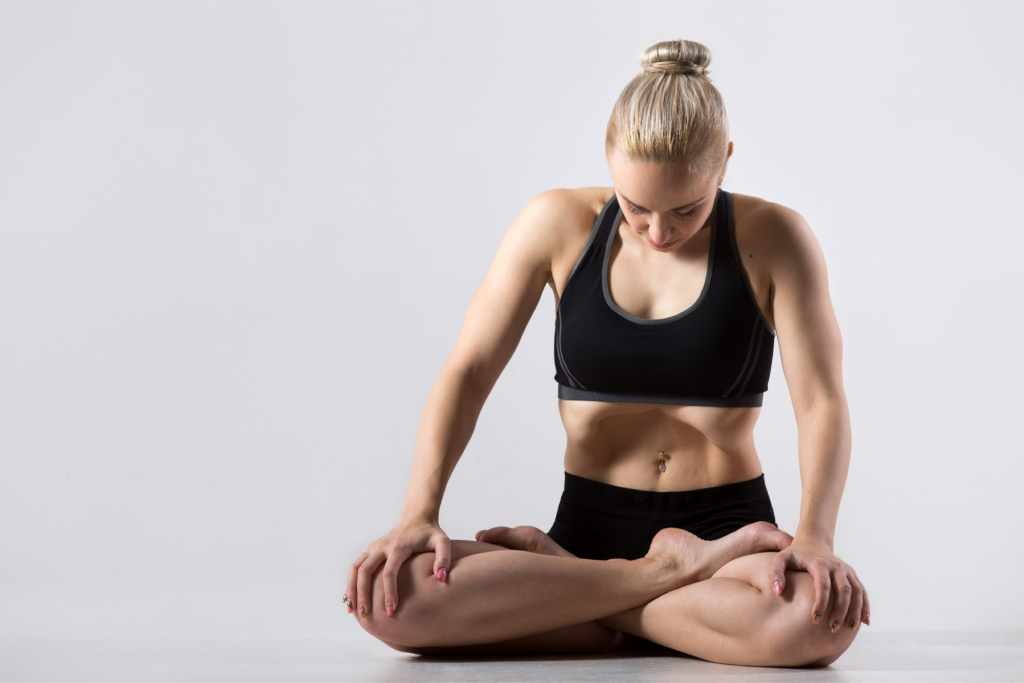
It’s performed by lowering the chin toward the notch between the collar bones. It’s similar to holding a small piece of fruit or an egg with your chin. When done correctly, if you’re built like me, you’ll have a glorious double chin.
It’s used in a few poses like Dandasana (Staff Pose) and Sarvangasana (Shoulder stand). More frequently, it’s used in pranayama practices like Ujjayi (ocean breath) and Nodi Shodhana (Alternate Nostril breathing).
When all three of these are done at once, it’s called Maha Bandha. The great seal or lock a.k.a. The Big Kahuna Bandha. Just kidding. It’s not called that but it sounds fun.
Bandhas are defined as “to lock, to hold, to stop”.
There are a few other bandhas which I’ll mention but not get into detail about because they are self-explanatory…
Hasta Bandha is when the hands press against the ground…the ground stops the energy from leaving through the hands. Same with the feet with Pada Bandha.
i.e. in downward facing dog, you’re practicing both these bandhas. In arm balances, you practice Hasta Bandha. In Warrior poses you’re using Pada Bandha. You get the idea, yes?
Lastly, there’s Brahma Bandha. This is when you keep your mind locked on God as you practice.
There you have it. Bandha mania all wrapped up in one little blog post. I hope this brings more understanding on the why’s and the how’s of Bandha usage in a yoga practice. Implementing them into your practice, if you’re not already, will create a new layer of understanding with continued practice.
 Subscribe to my channel