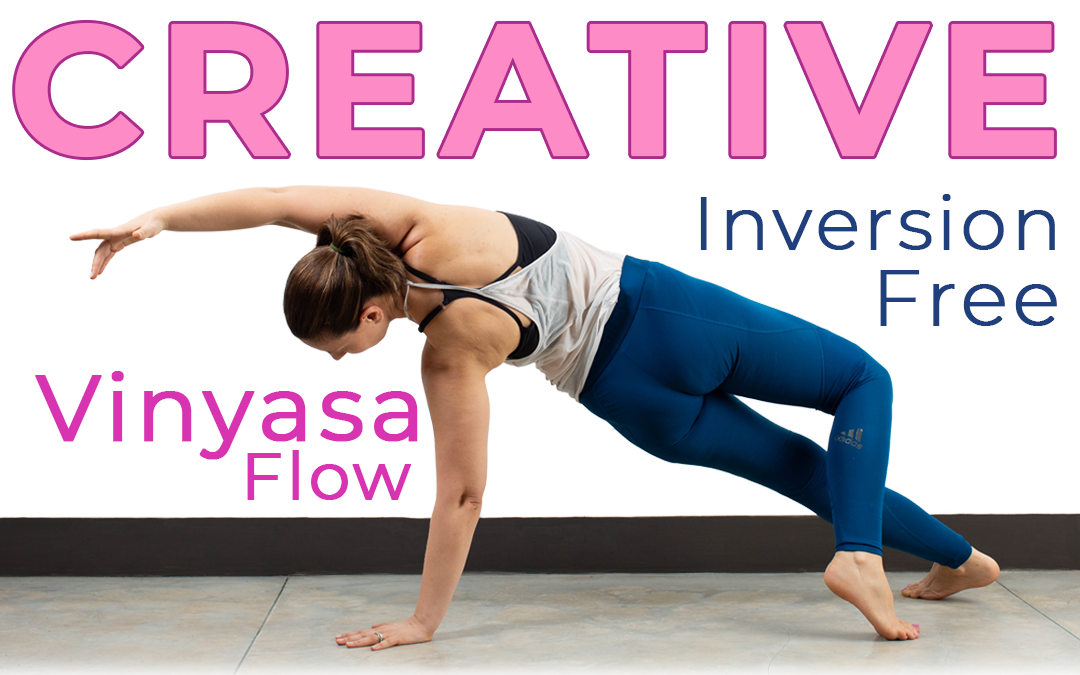
Missing that creative spark in your Vinyasa Flow? It stinks to find yourself stagnant and uninspired in your yoga practice; especially if you’re Inversion Free.
Sometimes there is comfort in returning to the same flow. BUT…sometimes you need to change things up.
This Inversion Free Creative Vinyasa Flow does just that. The flow moves at a faster pace all over the mat, facing different directions, and has a circular feel to it.
It’s fun, challenging, and sparks creativity.
Good for experienced or seasoned practitioners. ⚠️Minimal cueing.
Only props you’ll need are for savasana. i.e. Blocks, pillows, bolsters, blankets, etc.
Enjoy! Be well. Remember to breathe. ????????Namaste my friends????????
Tight hips and hamstrings will LOVE this 20 min practice. Flexibility in the hips, hamstrings, quads and the lower body in general is super important to feel good in your body.
20 min a day keep the tightness away! ????
Stretch in the morning, lunch time, evening or anytime in-between.
Good for post-run stretch,
Great for cooling yourself down & de-stressing,
Excellent if you’ve been sitting all day.
No props needed UNLESS you want ‘em or need ‘em. If you have tight hips and legs, then I recommend using Blocks or like items.
Below are some excerpts of the studies and articles I found on this subject. I’m not gonna lie, it’s interesting but VERY dry reading. Citations are at the bottom along with a list for further reading.
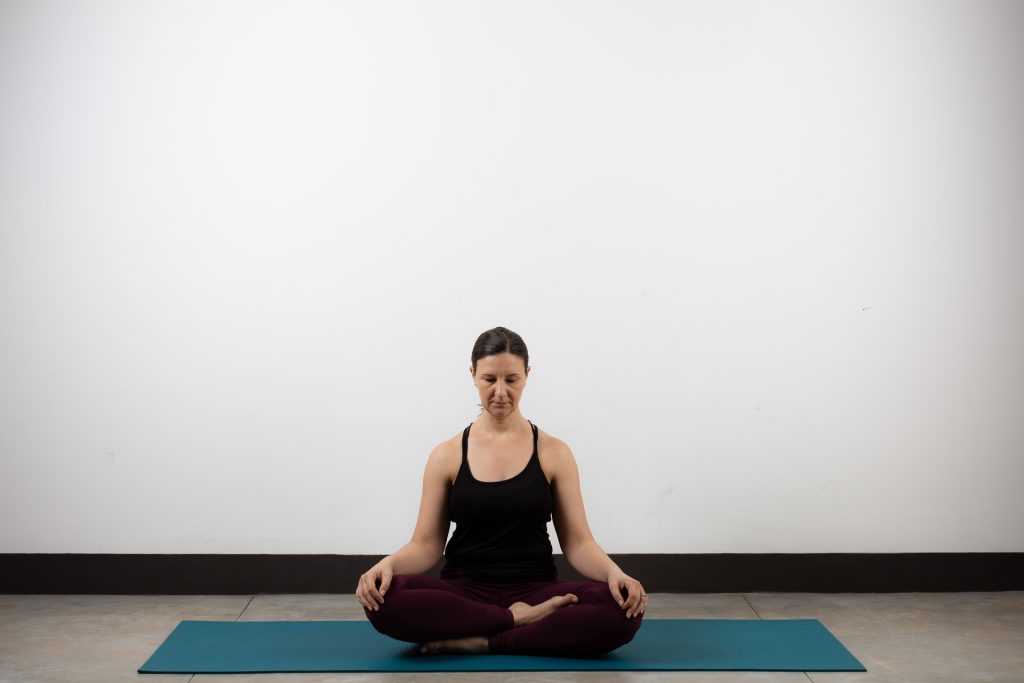
IOP & Meditation
IOP = Intraocular Pressure = measurement of the fluid pressure inside the eye.
It (Meditation) has multiple potential benefits for normal-pressure and high-pressure glaucoma patients including a reduction in intraocular pressure, increasing cerebral blood flow and oxygenation, and decreasing action of the sympathetic nervous system with a corresponding increase in parasympathetic nervous system activity.
Meditation leads to a “relaxation response” mediated by nitric oxide with decrease in the stress hormone cortisol, increase in neurotrophins and mitochondrial energy production, and improves the overall quality of life of glaucoma patients. 1
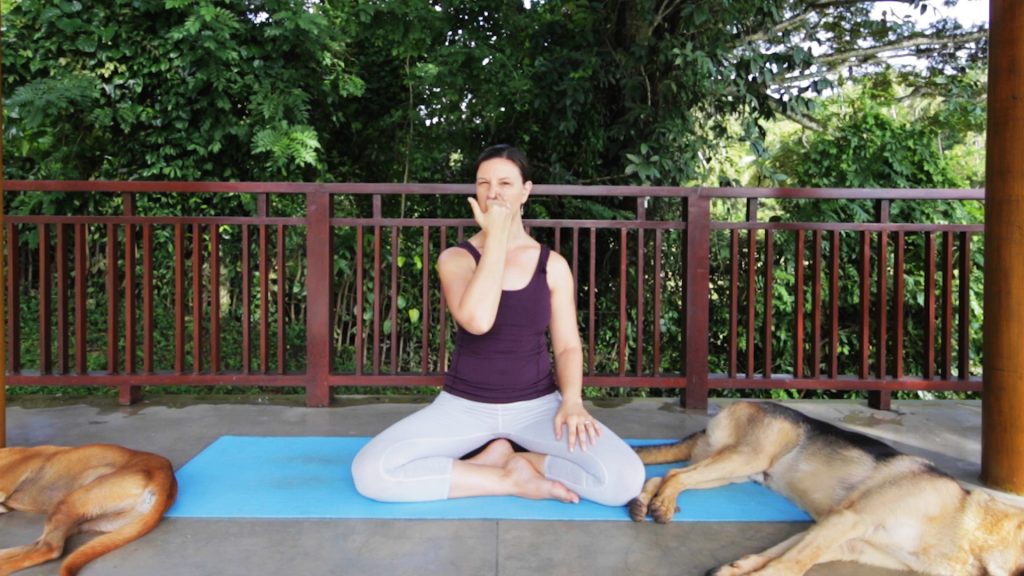
IOP & Pranayama and Diaphragmatic Breathing Study
Précis:
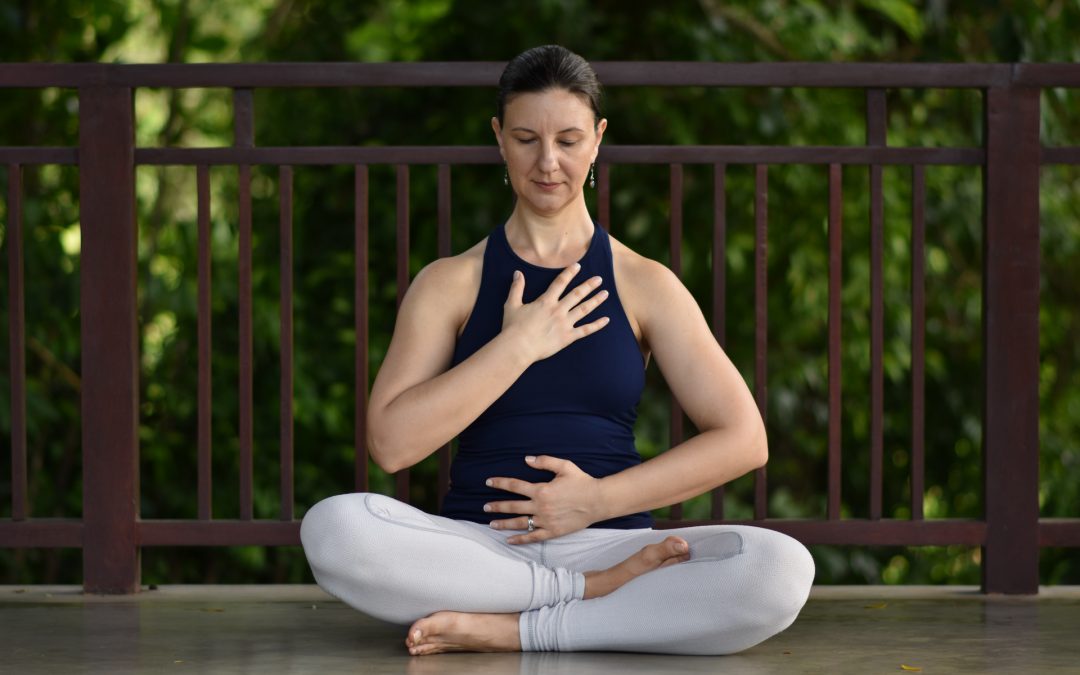
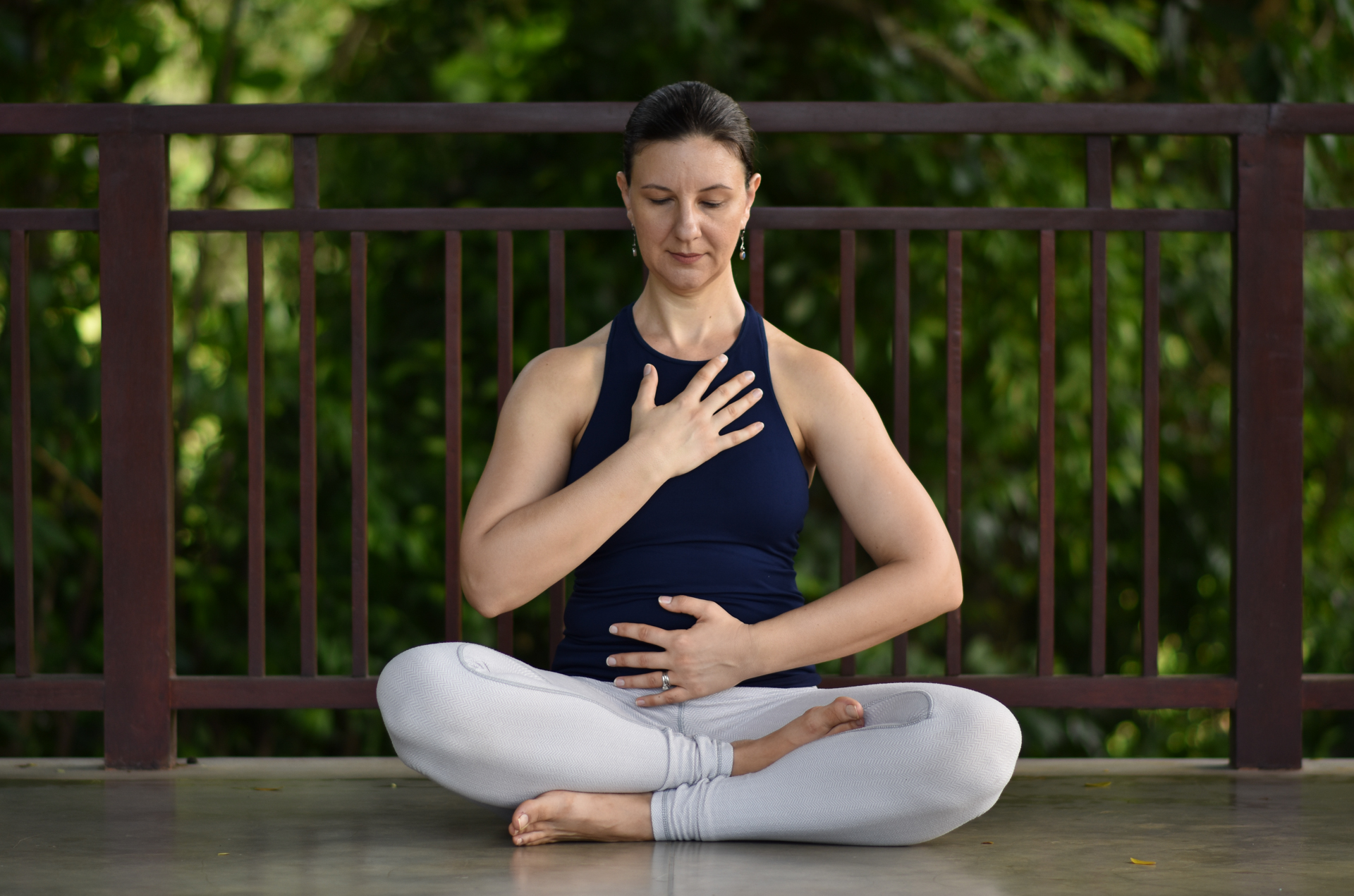
Yogic pranayama and diaphragmatic breathing are potential adjunctive therapies for patients with glaucoma; however, they are not substitutes for medicine or eye drops.
Purpose:
Currently, medical or surgical lowering of intraocular pressure is the only therapeutic approach for treating primary open-angle glaucoma. Intraocular pressure maintenance is influenced by autonomic activity (sympathetic and parasympathetic). “Yogic pranayama” and “diaphragmatic breathing” are exercises that can affect autonomic activity by stimulating a wakeful hypometabolic state of parasympathetic dominance. We aimed to assess the effect of yogic pranayama and diaphragmatic breathing on intraocular pressure to determine whether it can be recommended for individuals with established glaucoma in combination with glaucoma medication as an adjuvant therapy.
Results:
Compared with the wait-list group, the yogic pranayama and diaphragmatic breathing exercise group had significantly lowered intraocular pressure (right eye: 20.85±3.39 to 14.90±2.86 mm Hg; left eye: 20.30±4.12 to 14.25±3.85 mm Hg; P<0.001).
Conclusion:
Yogic pranayama and diaphragmatic breathing exercises can reduce intraocular pressure in patients with primary open-angle glaucoma and can therefore be recommended as an adjuvant therapy.3
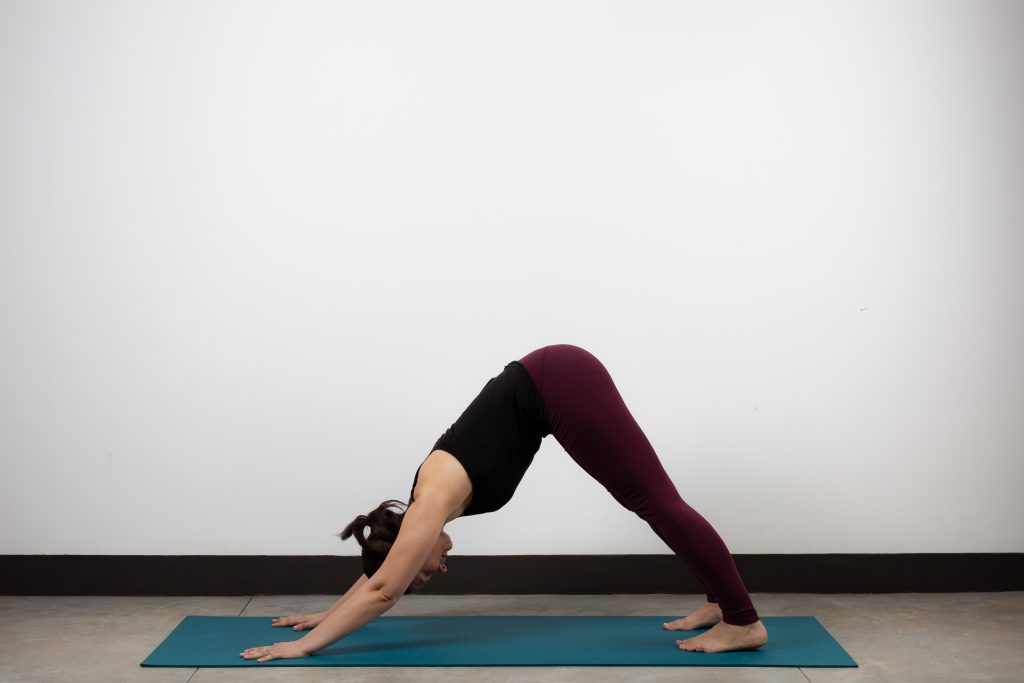
IOP in regard to Downward Facing Dog, Uttanasana, + More…
In previous research, studies and case reports had tested only the headstand position, which showed a marked two-fold rise in IOP. In the new study, researchers had healthy participants with no eye-related disease and glaucoma patients perform a series of inverted yoga positions, including downward facing dog, standing forward bend, plow, and legs up the wall. They captured the IOP in each group at baseline seated, immediately assuming the pose, two minutes while holding the pose, right after they performed each pose in the seated position, and then again 10 minutes after resting in the seated position.
Both normal and glaucoma study participants showed a rise in IOP in all four yoga positions, with the greatest increase of pressure occurring during downward facing dog. When the measurements were taken after the participants returned to a seated position and again after waiting ten minutes, the pressure in most cases remained slightly elevated from the baseline.
“While our study results don’t show a dramatic difference in IOP between the normal participants and those with glaucoma, we believe that additional research, with a larger study population and longer durations of practicing the inverted positions is warranted,” said first author Jessica Jasien, M.En., research associate with the Shelley and Steven Einhorn Clinical Research Center at NYEE.2
1 Dada, Tanuj, et al. “Meditation: A Polypill for Comprehensive Management of… : Journal of Glaucoma.” LWW, Journal of Glaucoma, Feb. 2020, journals.lww.com/glaucomajournal/Abstract/2020/02000/Meditation__A_Polypill_for_Comprehensive.11.aspx.
This list is of benefits that I have personally experienced through my time doing yoga, and keep in mind, this list is always growing.
Everyone learns and moves at their own pace.
The Breath DOES matter.
How to listen to my body; what type of practice is my body calling for? Vinyasa, Yin, Gentle Flow, pranayama, etc.
Learn to practice calmness.
Learning my boundaries; when I go too far or not far enough.
Push my creativity.
How to connect with others without placing judgment on them.
How to recognize when ego takes over.
How to tame my ego (daily workout).
Yoga asana is accessible to everyone.
Yoga is NOT just poses; there is so much more depth within the practice (8 Limbs).
Yoga practice is what you want it to be; asana, meditation, pranayama, philosophy, etc.Meditation can be done in SO MANY different ways; breath work, focal points, moving meditations, visualizations, etc.
Yoga is grounding.
Yoga teaches us to connect and at the same time allows for detachment.
There is no “right” way…guidelines for safety, yes, but no “right” way.
It’s okay not to practice sometimes.
Yoga calms my anxieties and sometimes causes them but I’m never sorry I practiced.
How to find a practice that works for people with health issues.
To be flexible; not just physically but mentally and emotionally.
To open my heart and be kinder to others but also to myself.
To recognize that mind, body, and emotion are intrinsically connected.
Deep breaths are little gifts to ourselves.
There are many, many different types of yoga practices out there…some ancient, some modern…it doesn’t matter which you choose as long as it helps you become a better version of yourself.
Yoga practice can give a sensation of calmness, feeling grounded, feeling connected, secure, at peace, energized, and balanced, all at the same time.
It’s okay to have a sense of humor about yoga…it’s not all serious all the time.
Yoga practice isn’t all rainbows and unicorns…it has uncomfortable moments.
Each day the body, the mind, and our energies are different.